Forensic engineering for the
cause, origin, and remediation
of property loss.
Independent investigations into structural failure, fire, water intrusion, storm damage, and building envelope performance. Evidence-based findings for insurance carriers, legal counsel, and property owners navigating complex loss claims.
Six disciplines.
One evidentiary standard.
Each engagement is scoped to the loss type, jurisdictional requirements, and the specific questions posed by the retaining party. Findings are documented in reports suitable for claim file, mediation, or trial.
Cause & Origin
Systematic determination of the physical cause and point of origin for property losses. Documented through on-site examination, evidence preservation, and laboratory analysis where required.
Structural Failure
Engineering analysis of collapsed, distressed, or failed structural systems. Load path evaluation, material testing, and code-compliance review to establish causation and contributing factors.
Fire Investigation
Post-fire structural and systems assessment. Burn pattern analysis, ignition source evaluation, and damage extent documentation for subrogation and coverage determinations.
Water & Storm
Wind, hail, and water intrusion damage assessment. Building envelope performance evaluation, flood damage documentation, and storm-related structural impact analysis.
Roof Collapse
Investigation of premature roof failures including snow load events, drainage deficiencies, and material degradation. Structural adequacy review and failure sequence reconstruction.
Building Envelope
Performance evaluation of exterior wall systems, fenestration, and weatherproofing assemblies. Moisture intrusion pathways, cladding failures, and warranty dispute support.
A five-phase process.
Documented at every step.
Every engagement follows a consistent investigative framework. The methodology is designed to produce findings that withstand scrutiny — by adjusters, opposing counsel, and the court.
Intake & Scoping
Outside laboratory testing where required. Engineering calculations, code research, and comparison against manufacturer specifications and industry standards.
Field Examination
Outside laboratory testing where required. Engineering calculations, code research, and comparison against manufacturer specifications and industry standards.
Analysis & Testing
Outside laboratory testing where required. Engineering calculations, code research, and comparison against manufacturer specifications and industry standards.
Report & Findings
Outside laboratory testing where required. Engineering calculations, code research, and comparison against manufacturer specifications and industry standards.
Expert Testimony
Outside laboratory testing where required. Engineering calculations, code research, and comparison against manufacturer specifications and industry standards.
Evidence preserved.
Findings documented.
Forensic investigation begins at the loss scene. Field documentation establishes the factual record on which all subsequent analysis depends.
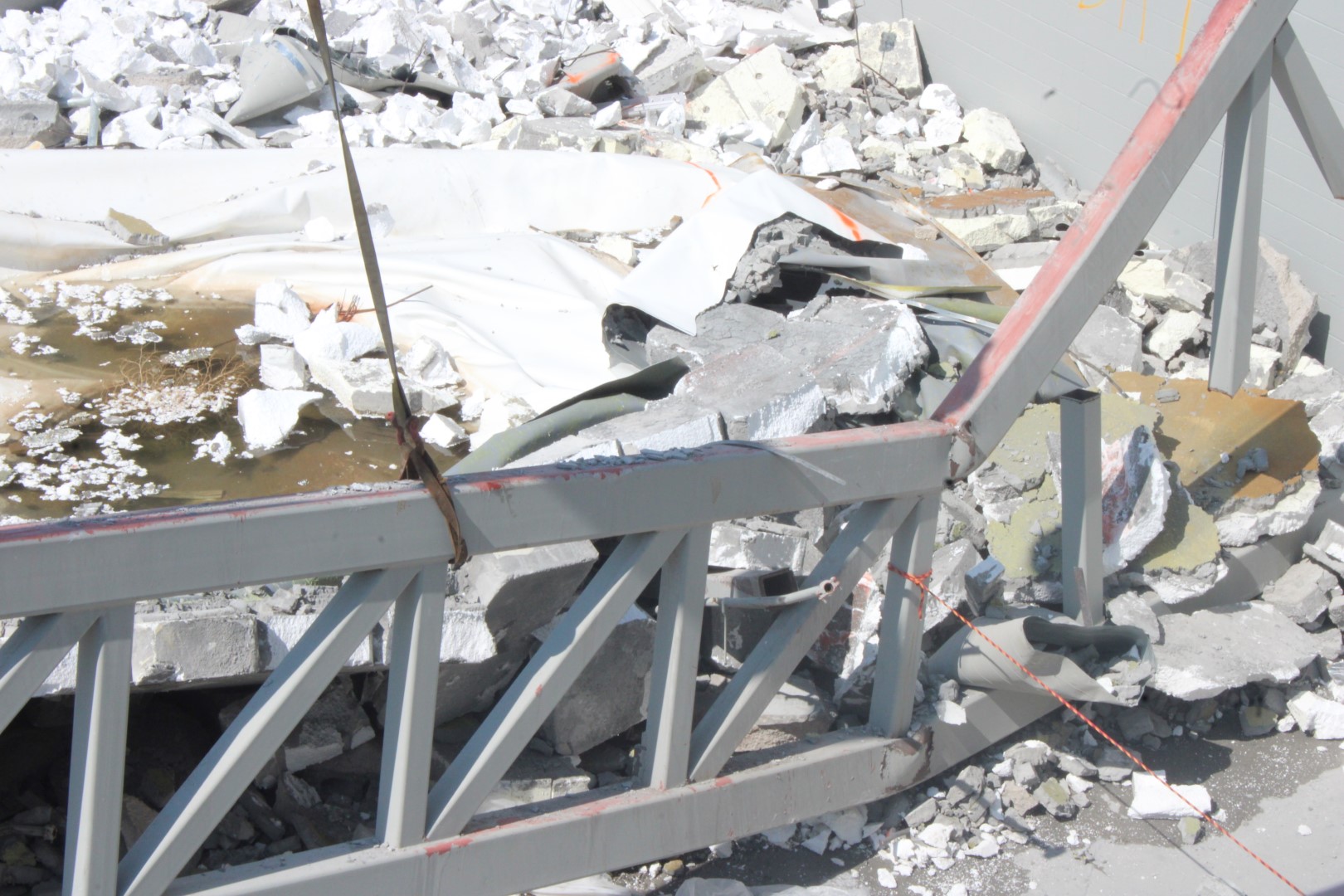
Photographic record
Systematic site photography capturing overall context, mid-range relationships, and close-up detail. Images are time-stamped, geo-tagged, and indexed to the report.
Chain of custody
Physical evidence is collected, labeled, and transferred per documented chain-of-custody procedures. Samples are submitted to accredited laboratories for analysis.
Forensic opinions are only as credible as the engineer behind them. Qualifications, methodology, and consistency of findings determine whether testimony withstands cross-examination.
Insurance Carriers
Cause and origin determination, coverage investigation support, subrogation evidence, and independent evaluation of complex or disputed losses.
Legal Counsel
Expert witness retention for construction defect, product liability, premises liability, and first-party property disputes. Reports and testimony.
Property Owners
Independent assessment of damage extent, repair scope, and causation for commercial, industrial, and institutional facilities.
Submit an Assignment
Initial submissions are confidential and without obligation. Provide a brief description of the loss event and the questions requiring investigation. A budget proposal or fee structure will be provided for approval prior to the commencement of any work.
Multi-state practice. Field examinations conducted at loss sites across the continental United States. Remote consultation available for preliminary scoping.